

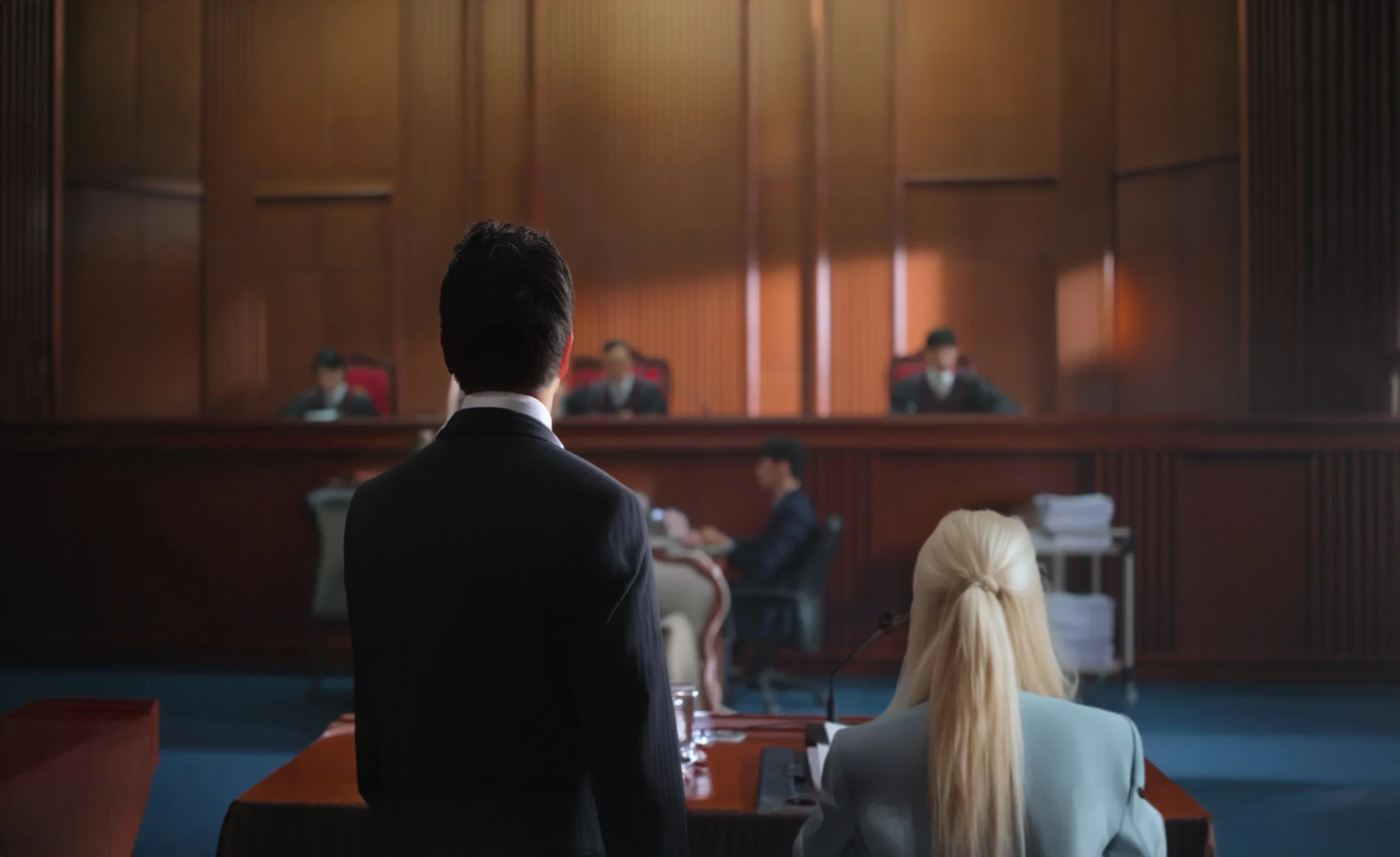
Most people do not miss a court date on purpose. A notice gets overlooked. A work shift runs long. Stress clouds judgment. But in Denver criminal court, missing even one court appearance can trigger serious consequences almost immediately.
As a Denver criminal defense attorney, I see this mistake derail otherwise manageable cases. A missed court date becomes a bench warrant. A warrant leads to arrest. Bail increases. Judges lose patience. The case becomes harder to control.
This guide explains what happens after a missed court date in Denver, why courts respond so aggressively, and what you should do right away to limit the damage.
Why Court Dates Carry Serious Legal Weight
Court dates are mandatory legal orders. When a judge schedules a hearing, the court expects you to appear in person unless your defense lawyer in Denver, CO, is authorized to appear for you.
Missing court is treated as noncompliance, not a misunderstanding. That assumption drives every consequence that follows.
Denver judges rely on strict scheduling to manage crowded dockets. When someone does not appear, the system responds quickly.
What Happens Immediately After You Miss A Court Date In Denver
In most criminal cases, the response is swift.
-
- The judge issues a bench warrant
- The judge issues a bench warrant
- Law enforcement is authorized to arrest you
- Any posted bond may be revoked
- Bail amounts often increase for future release
In some cases, the court may also file a failure-to-appear charge. This is a separate offense that carries additional penalties.
There is no grace period. There is no reminder call. The warrant is often issued the same day.
How A Bench Warrant Disrupts Your Daily Life
Once a bench warrant is active, everyday situations become risky.
- A routine traffic stop can result in an arrest
- Police may arrest you at home or at work
- Background checks can reveal the warrant
- Employment and travel issues can arise
Warrants do not expire. They remain active until resolved. The longer a warrant remains open, the worse it looks to the court.
Judges expect missed court dates to be addressed immediately. Delay signals avoidance.
Why Judges Respond Harshly To Missed Court Dates
Judges handle packed dockets and tight schedules. When someone fails to appear, it wastes court resources and delays other cases.
Judges also see patterns. People who miss one court date are more likely to miss another. Courts respond by tightening control.
That often leads to:
- Higher bond requirements
- Stricter release conditions
- Less flexibility from the court
- Reduced leniency at sentencing
Reliability matters. Once trust is damaged, the court becomes less forgiving.
Common Reasons People Miss Court And Why Courts Still Act
People miss court for many reasons.
- They never received notice
- They misunderstood the date or time
- A work or family emergency occurred
- Fear or anxiety took over
While these reasons are common, the court still expects action. Silence creates consequences. Communication changes outcomes.
Doing nothing is the worst response.
How Missing Court Impacts Your Criminal Case
A missed court date does more than create a warrant. It weakens your defense.
- Prosecutors may take a harder stance
- Judges may lose confidence in your compliance
- Plea negotiations can break down
- Sentencing outcomes can worsen
Even strong cases lose leverage after a failure to appear. Courts value accountability.
A Denver criminal defense lawyer can often reduce damage when involved early.

What To Do Immediately If You Missed A Court Date
Speed matters more than explanations.
Take these steps immediately:
- Confirm whether a warrant has been issued
- Do not turn yourself in without legal advice
- Contact a defense lawyer in Denver, CO right away
A lawyer can often file a motion to quash the warrant. This asks the judge to recall it and set a new court date.
Judges respond far more favorably when this is handled promptly and professionally.
How We Help Fix Missed Court Dates
When clients contact us after missing court, we act quickly.
- Review the case and court history
- Identify the assigned judge and procedures
- File the appropriate motions
- Appear in court when allowed
- Present the issue in terms that judges respect
Our focus is damage control. We work to prevent arrest, restore credibility, and keep the case moving forward.
Why Acting Early Changes Everything
Timing shapes outcomes.
Judges consider intent and responsiveness. Quick action shows responsibility. Delay suggests avoidance.
Early intervention can result in:
- Lower bond or no bond
- No additional charges
- Avoiding time in custody
- Better positioning for resolution
As a Denver criminal defense lawyer, we see the difference every week. Same mistake. Very different outcomes.
Can A Lawyer Appear For You After A Missed Court Date
In many Denver cases, yes. A defense lawyer in Denver, CO can often appear on your behalf, especially for misdemeanor charges.
This can prevent arrest and reduce stress. It also shows the court you are taking the matter seriously.
Felony cases often require personal appearance. Even then, having legal counsel involved early makes a significant difference.
Why Waiting Rarely Works In Denver Courts
Some people hope the warrant will not be enforced. Others hope the case will fade away.
That does not happen.
Denver courts use integrated systems. Warrants surface during traffic stops, background checks, and routine police contact.
Waiting reduces options. Judges become less flexible. Prosecutors become less cooperative.
The system rewards action and punishes delay.
Take Control Before The Situation Gets Worse
Missing a court date is not about being a bad person. It is about how the system responds to silence.
Courts respond with warrants, arrests, and higher stakes. The solution is not panic. The solution is strategy.
If you missed a court date or believe you might, speak with a Denver criminal defense attorney from the Law Offices of Steven J. Pisani immediately. Early action can stop a manageable issue from becoming life-changing.
The sooner you act, the more control you keep.