

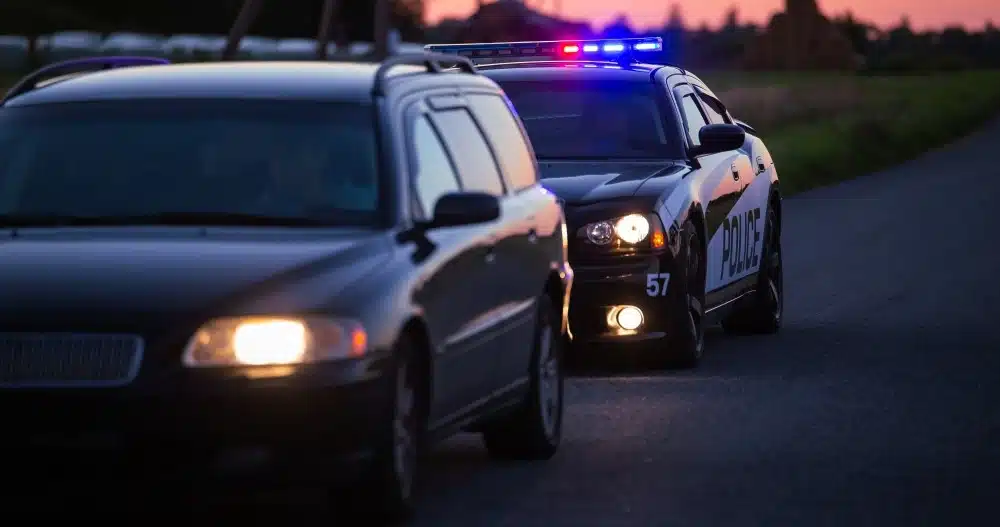
Colorado has strict implied consent laws. If you drive on Colorado roads, you automatically agree to chemical testing if law enforcement has probable cause to suspect DUI. This usually means a breath or blood test after a lawful arrest. Refusing a test can trigger immediate license consequences.
If you are facing a DUI investigation, a criminal defense lawyer in Denver can review whether police followed the law. A Denver, CO DUI defense attorney will examine the stop, the arrest, and how testing was handled. Implied consent cases move quickly and affect both your license and your criminal charges.
In Denver, DUI arrests often follow traffic stops along Interstate 25, Speer Boulevard, or near LoDo nightlife areas. Understanding how implied consent works under Colorado law can help you protect your rights from the start.
What Is Implied Consent In Colorado?
Colorado Revised Statutes section 42-4-1301.1 governs implied consent.[1] The law states that anyone who drives a motor vehicle in the state consents to a chemical test if arrested for DUI or DWAI.
Implied consent applies only after a lawful arrest. An officer must have probable cause to believe you were driving under the influence of alcohol or drugs. Once arrested, you must choose between a breath or blood test, unless certain exceptions apply.
If drugs are suspected, the officer may require a blood test. Refusing a required test can lead to administrative penalties through the Colorado Department of Revenue.
How DUI And DWAI Differ In Colorado
Colorado recognizes two primary alcohol related driving offenses:
- DUI, driving under the influence
- DWAI, driving while ability impaired
A DUI charge usually involves a blood alcohol content of 0.08 percent or higher. A DWAI charge can apply at 0.05 percent or higher.[2]
Implied consent testing helps prosecutors prove these levels. The results often become central evidence in court. A defense lawyer in Denver will review whether the testing method and procedures complied with state regulations.
What Happens If You Refuse A Chemical Test?
Refusal triggers automatic license consequences. The Colorado Department of Revenue can impose a revocation even if the criminal case is later dismissed.
For a first refusal, the typical revocation period is one year. You may also be required to install an ignition interlock device for reinstatement.
Refusal can also be used against you in court. Prosecutors may argue that refusal shows consciousness of guilt. However, refusal cases often raise strong legal defenses. A criminal defense lawyer in Denver can evaluate whether police properly advised you of your rights before the refusal.
The Two Separate Proceedings
Implied consent cases involve two tracks:
- Criminal court proceedings
- Administrative license proceedings
The criminal case is handled in Denver County Court for most DUI charges. The administrative case is handled by the Colorado Department of Revenue.
You must request a DMV hearing within a short time after receiving notice of revocation. Missing this deadline can result in automatic license suspension. Acting quickly is critical.
How Evidence Is Challenged In Implied Consent Cases
Chemical test evidence is not automatic. The prosecution must show that the test was conducted in compliance with Colorado Department of Public Health and Environment regulations.[3]
Key issues may include:
- Whether the traffic stop was lawful
- Whether probable cause existed for arrest
- Whether the officer properly advised you under implied consent
- Whether the breath machine was calibrated
- Whether the blood draw followed required procedures
If the stop was unlawful, evidence may be suppressed. If testing procedures were flawed, results may be challenged. A skilled Denver, CO DUI defense attorney analyzes each step carefully.
How Implied Consent Applies In Denver
Denver police actively patrol entertainment districts, including areas near Larimer Square and Union Station. Late night stops often lead to roadside sobriety testing.
Weather and traffic conditions also play a role. Winter conditions on Interstate 70 can increase police presence. Officers may investigate accidents and then evaluate drivers for impairment.
Local judges in Denver County Court expect strict compliance with procedural rules. A defense lawyer in Denver familiar with these courts understands how to present suppression motions and cross examine officers effectively.
Practical Steps After A DUI Arrest
If you are arrested for DUI in Denver, take these steps:
Remain calm and polite. Do not argue roadside.
Request a DMV hearing immediately after receiving revocation paperwork.
Write down details of the stop and arrest. Include time, location, and officer statements.
Contact a criminal defense lawyer in Denver as soon as possible.
Early legal advice can affect both your license and your criminal case.
Common Misunderstandings About Implied Consent
Many drivers believe they can refuse testing without consequences. That is not accurate. Refusal leads to automatic administrative penalties.
Some believe that choosing a breath test is always better than blood. The right choice depends on the facts. Alcohol level, timing, and medical conditions can matter.
Others assume that a high test result means conviction is certain. Testing errors, medical issues, and improper police conduct can create viable defenses.
When To Contact A Lawyer
You should contact a Denver, CO DUI defense attorney immediately after a DUI arrest. Time limits apply to license hearings. Evidence such as video footage may also be erased if not requested promptly.
At The Law Offices of Steven J. Pisani, we review the legality of the stop, the arrest, and the testing process. We examine whether officers followed Colorado implied consent requirements. Our role is to protect your rights at every stage.
Frequently Asked Questions
Can I Choose Between Breath And Blood In Colorado?
In most DUI cases involving alcohol, you may choose between breath and blood. If drugs are suspected, an officer may require a blood test. Refusing either option can trigger license revocation.
How Long Do I Have To Request A DMV Hearing?
You typically have a short window after receiving notice of revocation. Failing to request a hearing in time can result in automatic suspension. Contact a lawyer immediately to protect your rights.
Does Refusing A Test Help My Criminal Case?
Not necessarily. Refusal can lead to license revocation and may be used in court. However, refusal cases sometimes provide legal defenses if police did not follow proper procedures.
Can Test Results Be Challenged?
Yes. Breath machines must be properly maintained. Blood samples must follow strict handling rules. Violations can affect admissibility and reliability.
Will My License Be Suspended Automatically After A DUI Arrest?
If you fail or refuse a chemical test, the Department of Revenue can impose suspension. You have the right to request a hearing to challenge the action.