

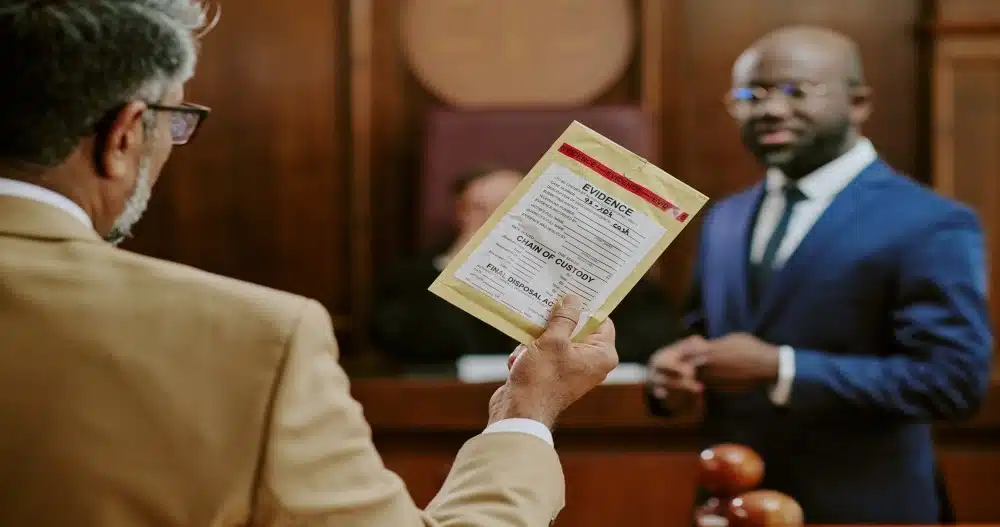
In a criminal case, prosecutors can use several types of evidence against you, including physical evidence, witness testimony, digital records, statements you make, surveillance footage, and expert analysis.
In Colorado courts, evidence must meet legal standards such as relevance and reliability, but even small details—like text messages or casual statements—can significantly impact your case. A skilled criminal defense lawyer in Denver can challenge weak or improperly obtained evidence and work to limit what is used against you.
Understanding How Evidence Works in Colorado Criminal Cases
If you are facing criminal charges, the case is not just about what happened—it’s about what can be proven in court. Evidence is the foundation of every prosecution, and how it is presented can make or break a case.
A Denver criminal defense attorney focuses on identifying weaknesses in the prosecution’s evidence and ensuring your rights are protected at every stage. Even strong evidence can sometimes be excluded if it was obtained unlawfully or lacks credibility.
Types of Evidence That Can Be Used Against You
Physical Evidence
Physical evidence includes tangible items tied to the alleged crime. This type of evidence often carries significant weight because it appears objective and concrete.
Examples include weapons, drugs, clothing, DNA, and fingerprints. However, physical evidence is only as reliable as the way it was collected and handled. If procedures were not followed correctly, a defense lawyer in Denver, Colorado may be able to challenge it.
Witness Testimony
Witness testimony can strongly influence a jury, but it is not always reliable. People misremember events, feel pressure, or bring personal bias into their statements.
This includes eyewitness accounts, character witnesses, and expert witnesses who provide technical insight. A Denver criminal defense attorney will closely examine inconsistencies and motivations behind testimony.
Statements and Digital Evidence
One of the most overlooked forms of evidence is what you say and what you post. Statements made during police questioning, conversations with others, or even jail phone calls can all be used against you.
Digital evidence is also increasingly common and includes text messages, emails, social media activity, and location data. Even deleted information can sometimes be recovered and used to build a case.
Video and Expert Analysis
Video footage and expert testimony can significantly shape how a case is understood. Surveillance cameras, body cams, and phone recordings are often presented as clear proof—but they may lack context or show only part of the story.
Experts such as forensic analysts or medical professionals may also testify, but their conclusions can sometimes be challenged or contradicted by other experts.
How Evidence Must Be Admitted in Court
Not everything prosecutors collect can automatically be used in court. Judges evaluate whether evidence meets legal standards before allowing it to be presented to a jury.
Key Requirements for Admissibility
- Evidence must be relevant to the case
- It must be reliable and not overly prejudicial
- It must be obtained legally
When Evidence Gets Thrown Out
- Evidence from illegal searches may be excluded
- Statements taken without proper rights warnings may be suppressed
- Mishandled or contaminated evidence may lose credibility
A criminal defense lawyer in Denver will file motions to suppress evidence that violates these rules.
Common Ways Evidence Is Challenged
A strong defense often focuses on attacking the prosecution’s evidence directly. This can significantly weaken their case or even lead to dismissal.
Where Problems Often Occur
- Illegal searches that violate constitutional protections
- Breaks in the chain of custody
- Witnesses with inconsistent or biased testimony
- Misleading interpretations of evidence
Chart: Types of Evidence and Their Impact
| Type of Evidence | Example | Strength in Court | Potential Weakness |
| Physical Evidence | DNA, fingerprints | High | Mishandling, contamination |
| Witness Testimony | Eyewitness accounts | Medium | Memory errors, bias |
| Statements | Confessions, admissions | High | Coercion, rights violations |
| Digital Evidence | Texts, emails, GPS data | High | Context issues |
| Video Footage | Security recordings | High | Limited perspective |
| Expert Testimony | Forensic analysis | Medium-High | Conflicting opinions |
Why Evidence Alone Doesn’t Decide Your Case
Evidence plays a major role, but it does not automatically determine the outcome. How evidence is interpreted, challenged, and presented matters just as much as the evidence itself.
Jurors rely on what they are shown in court, and both sides work to shape that narrative. That is why having a skilled criminal defense lawyer in Denver is critical—they control how your side of the story is told.
How a Denver Criminal Defense Attorney Can Help
Facing criminal charges can feel overwhelming, especially when the evidence seems stacked against you. But there are often more options than you realize.
An experienced defense lawyer in Denver, Colorado will:
- Analyze all evidence for weaknesses
- Challenge illegally obtained or unreliable information
- Cross-examine witnesses and experts
- Build a defense strategy tailored to your situation
The earlier you involve an attorney, the better your chances of limiting damaging evidence.
What You Should Do If You’re Under Investigation
If you suspect you are under investigation or have been charged, your next steps matter. Acting quickly and carefully can protect your case.
- Do not speak to law enforcement without a lawyer
- Avoid discussing your case with others
- Preserve anything that may support your defense
- Contact a Denver criminal defense attorney immediately
FAQs
What kind of evidence is hardest to fight in court?
Physical evidence and recorded statements are often the most difficult, but they can still be challenged depending on how they were obtained or handled.
Can social media posts be used as evidence?
Yes. Social media content is frequently used to establish intent, communication, or timelines in criminal cases.
What if police collected evidence illegally?
If your rights were violated, your attorney can file a motion to suppress that evidence so it cannot be used in court.
Can witnesses be proven unreliable?
Yes. Inconsistencies, bias, or poor conditions at the time of the event can all affect a witness’s credibility.
Should I hire a lawyer even if the case seems strong?
Yes. A Denver criminal defense attorney can identify weaknesses and defenses that may not be obvious at first glance.
Talk to a Criminal Defense Lawyer in Denver Today
When your future is at stake, understanding the evidence against you is only part of the equation. What matters is how that evidence is challenged and used in court. The Law Offices of Steven J. Pisani has extensive experience defending clients throughout Denver and knows how to push back against the prosecution at every step. If you are facing charges or under investigation, now is the time to take control of your defense.